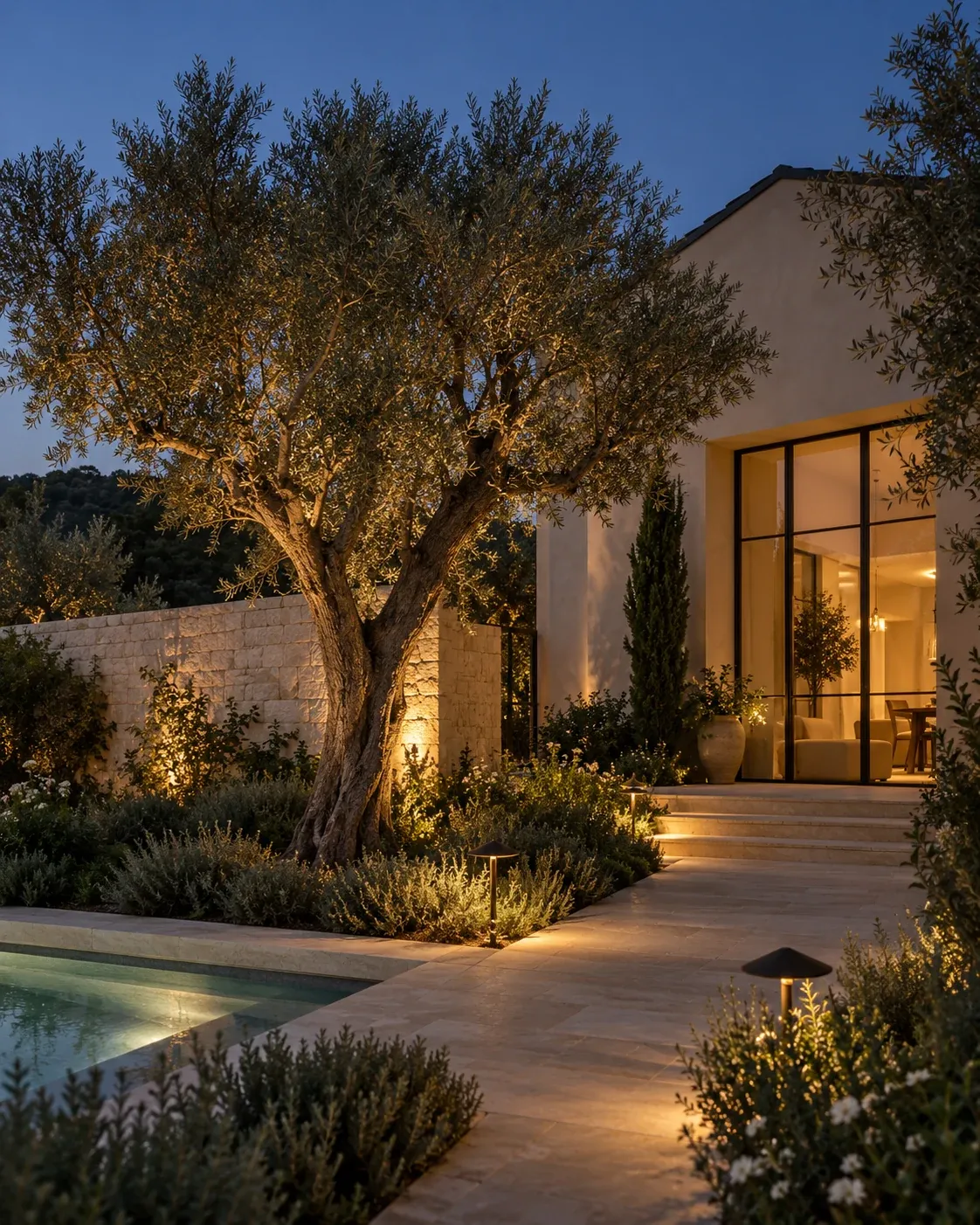
The art of the invisible home
The finest technology in a home is the kind you never notice. Why we hide the hardware, hush the interfaces and judge every project by one test: does the house simply feel easier to live in?
Technology that knows when to step back
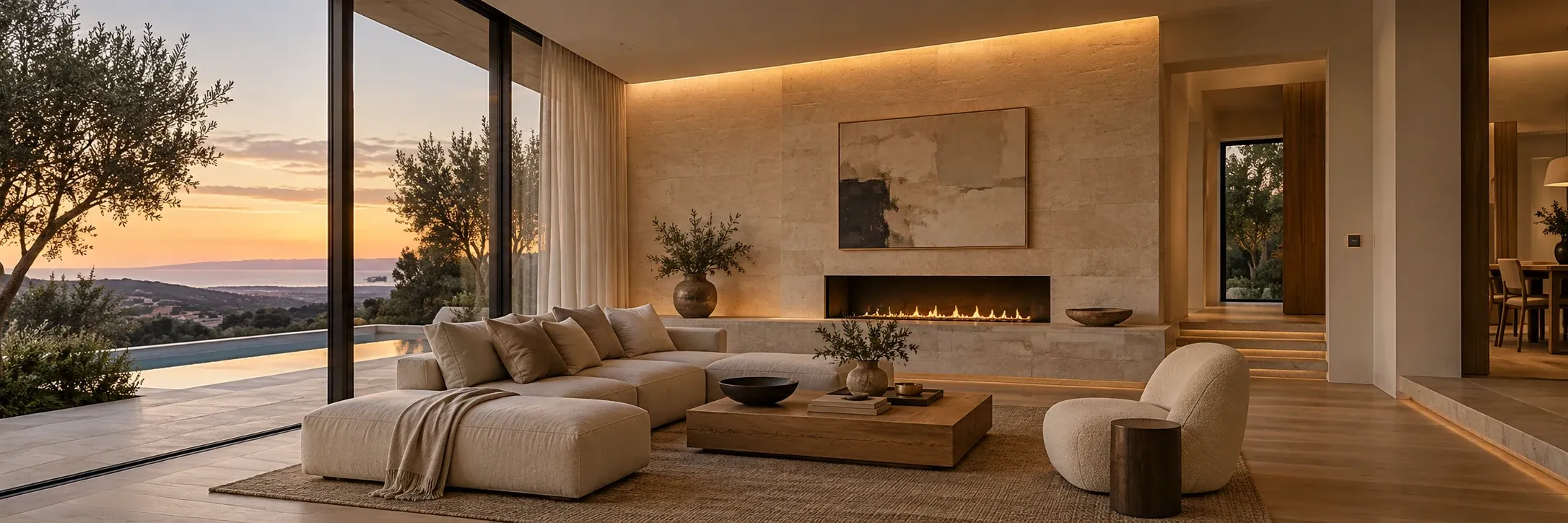
When people imagine a smart home they often picture screens: tablets on every wall, glowing panels, a phone full of apps. For a long time technology in the home announced itself, and owning a lot of it was the point.
Our homes are quieter than that. Lights come up softly as you walk in at dusk, shades lower before the afternoon sun reaches the art, and music follows you from the kitchen to the terrace. Nobody touches a screen, and nobody needs a lesson.
A year after moving in, they had forgotten we were ever there.
One test for every decision
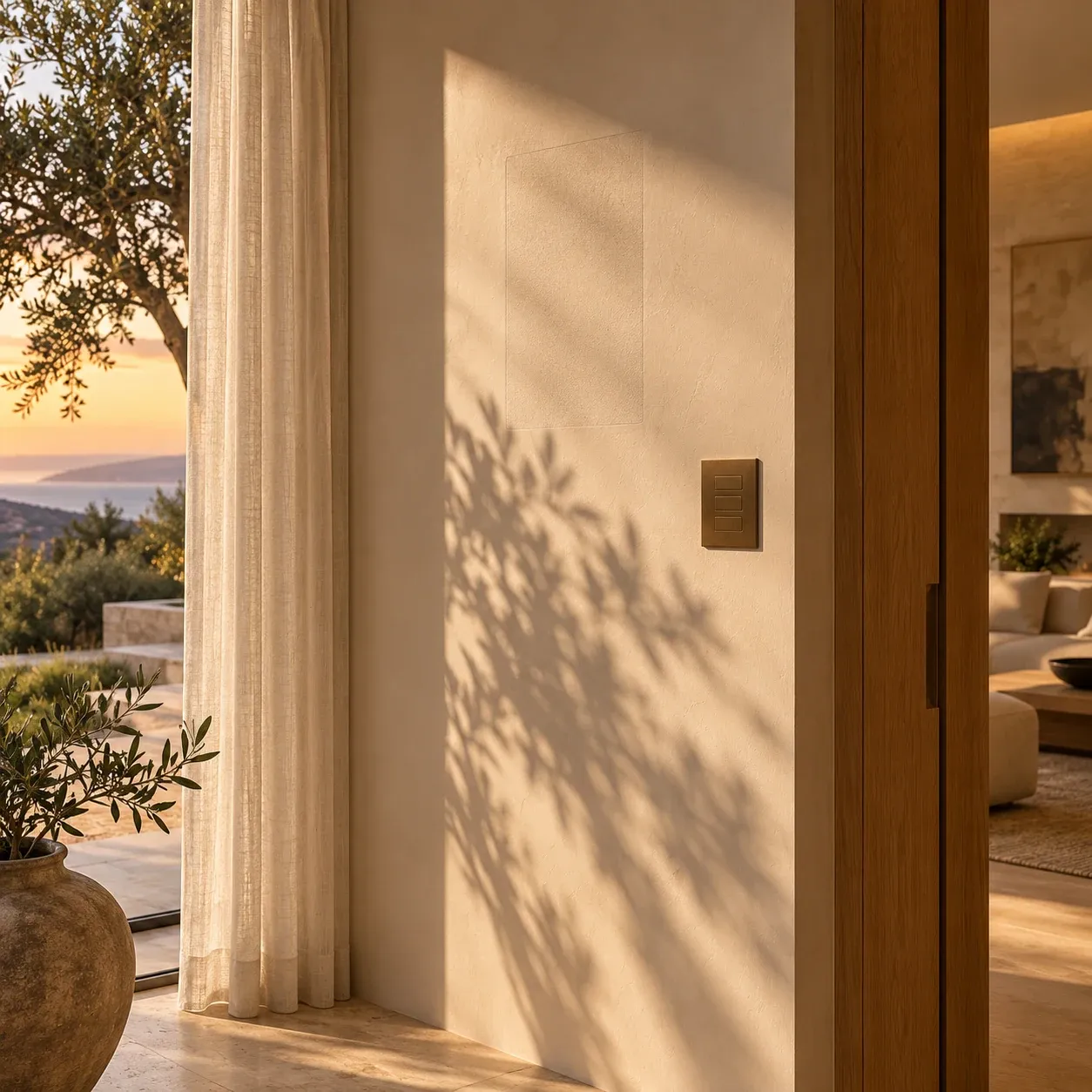
Every speaker, camera and sensor has to live somewhere, so we plan those places with the architect from the first drawings: a speaker behind a skim of plaster, a shade in a pocket in the ceiling, the equipment in one cool, quiet room. What stays visible is chosen as carefully as a door handle.
At the end of each project we ask the question we asked at the beginning: does the house feel easier to live in? Not more impressive, not more connected. Easier. If the answer is yes, the technology can step back into the walls where it belongs.